01Pre-university
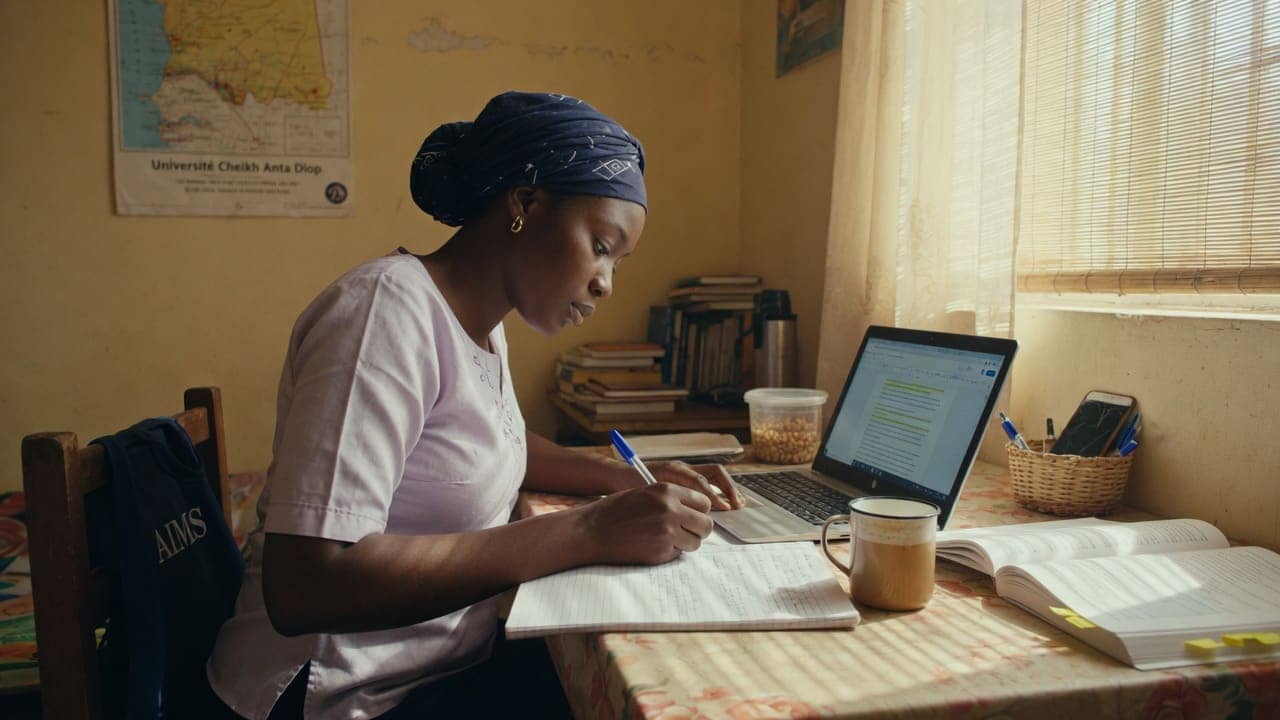
GlobalPass Foundations
Build a clearer picture of your core academic and digital skills.
60 minutes · 42 questions
Score, report and certificate
Online aptitude & skills assessments
Degrees and CVs record what someone claims to know. GlobalPass+ adds an independent assessment of reasoning, skills and judgement, then turns the result into a score, competency profile and verifiable certificate.
Six assessments · Results after completion · Verifiable certificates

Why GlobalPass+
Grades show academic achievement. A CV shows experience. GlobalPass+ measures the reasoning, data, communication, digital and decision-making skills behind them.
Find my assessment
Find the assessment that matches where you are now and where you are going.
Select where you are now to see the matching assessment, duration, questions and starting price.
Assessments
Every paid assessment includes your score, competency profile and verifiable certificate.
Build a clearer picture of your core academic and digital skills.
60 minutes · 42 questions
Score, report and certificate
Add structured skills evidence alongside university applications.
75 minutes · 50 questions
Score, report and certificate
Understand the transferable skills developing during university.
90 minutes · 58 questions
Score, report and certificate
Show employers capability beyond the graduate CV.
100 minutes · 62 questions
Score, report and certificate
Measure readiness for advanced research and study.
90 minutes · 51 questions
Score, report and certificate
Understand how you approach complex professional decisions.
110 minutes · 54 questions
Score, report and certificate
Graduate Launch
Your degree shows what you studied. Graduate Launch gives employers an additional skills signal covering reasoning, data literacy, communication, AI and professional judgement.

How GlobalPass+ works
Find the assessment that matches your stage.
Create your account and pay securely.
Complete the assessment online.
Receive your score, profile, report and certificate.
What you receive
After you complete an assessment you receive a GlobalPass Score, competency profile, PDF report and a verifiable certificate. Eligible candidates can choose to publish to the GlobalPass Index.
Result
Performance · Advanced
Certificate
Preparation
Learn, practise and mock the formats before you sit. After results, use the competency split to decide what to improve.
Read competency guides and worked examples.
Complete targeted question sets.
Take timed assessment simulations.
Complete your GlobalPass+ assessment.
Use your competency breakdown to focus your next steps.
GlobalPass Index
The board includes illustrative profiles until real opt-in results fill it. Open the full board for global, continent and assessment ranks.
Publishing to the GlobalPass Index is optional. Your result remains private unless you choose to publish it.
View the IndexFor organisations
Universities sponsor and track assessments. Employers invite candidates and verify candidate-authorised results.
For universities and education providers. Assess cohorts, sponsor seats and track completion.
For employers and graduate programmes. Invite candidates and verify candidate-authorised skills evidence.
Trust
Assessment quality, integrity review, appeals and certificates have named owners and an auditable history.
Questions
Choose the assessment that matches where you are now. Foundations and University Entry are for secondary and university-entry stages. Undergraduate Benchmark and Graduate Launch are for university study and the move into work. Postgraduate Readiness and Professional Leadership are for postgraduate and early-career professional stages.
Each assessment has a one-time USD price. Your price is based on your country of residence. If that country does not match the card billing country, access is paused for a pricing check. Card-issuing country, institution location and IP address are not used to set the price. The assessment, scoring, score report and certificate are included.
Duration depends on the assessment, from 60 minutes for Foundations to 110 minutes for Professional Leadership. Each assessment page shows the exact time. Guides, targeted practice, timed practice and a full mock are available first.
Objective items are scored automatically after you submit. You receive an overall score, a percentage and competency scores. Score labels describe performance on that assessment.
You receive an overall score, a competency breakdown, a downloadable PDF score report and a verifiable GlobalPass+ certificate. The certificate records the assessment you completed and the result you achieved.
Yes. Each pathway has guides, targeted practice, timed practice and a full mock so you can try the question formats and timing before you buy. Practice does not replace the scored assessment and does not issue a certificate or GlobalPass Score.
Yes. After at least 30 days you can buy a new attempt. A retake uses a different form where one is available, keeps your original result, and is charged at the current price.
The GlobalPass Score is your result on the 300–900 scale. The GlobalPass Index is a separate, optional ranking of published scores. Global rank is your place across all eligible published results. Continent rank is your place within that region. Assessment rank is your place among candidates on the same pathway. A published profile may include your display name, country, optional university, assessment, GlobalPass Score and those public ranks. For Postgraduate Readiness and Professional Leadership, results stay private.
Each certificate includes a credential ID and QR code. Anyone can open the verification page, check the status and confirm the signature. Detailed results stay private unless you share them.
Results stay in your account unless you share them. Public verification shows only appropriate certificate facts such as name, assessment, score where permitted, issue date and status. If you opt into the GlobalPass Index, the public profile may include display name, country, optional university, assessment, GlobalPass Score and ranking. Email, date of birth and identity documents are not shown on the public verification page.
Ready to start